
News
Accelerating the development of an advanced university through the ASU-Cintana Alliance
From October 19 to 22, 2026, the LHU delegation, led by Vice Rector Huynh Cao Tuan, attended the ASU-Cintana Experience 2026 (ACE 2026) in Arizona, USA. Through visits and working sessions at Arizona State University (ASU), recognized as the most innovative university in the U.S. for many consecutive years, the delegation gained insights into modern approaches to university management, education, and research. These experiences will help prepare LHU for its next stage of development as it approaches its 30th anniversary.
University governance in the age of technology: Partnering to strengthen institutional capacity
Artificial intelligence (AI) and digital technologies are changing how universities teach, recruit students, provide learner support, and maintain quality. A university's competitiveness is no longer determined only by enrollment numbers or facilities. It increasingly depends on its governance capabilities: making data-driven decisions, updating academic programs to meet changing labor market demands, and integrating technology into operational processes.
Alongside its efforts to strengthen staff capacity and ensure the quality of its activities in line with the Ministry of Education and Training's requirements, LHU is expanding partnerships with leading universities worldwide. These partnerships give the University access to international-standard learning resources, experienced experts, and global networks.
Established in 2019, the ASU-Cintana Alliance now brings together more than 30 universities across over 27 countries. ASU provides direct support to member institutions in curriculum development, learning resources, and university governance. LHU has worked with ASU on faculty development since 2018 and officially joined the alliance on March 12, 2025. The Powered by ASU model is being introduced across LHU's academic programs, with curricula, teaching methods, and assessment systems being upgraded to meet ASU standards.
The value of an alliance depends on how effectively each member makes use of it. ACE 2026 provided a platform for member universities to strengthen these connections through three main objectives: building leadership networks among institutions; sharing ASU's best practices through co-creation workshops, program design sessions, and campus visits; and promoting innovation in three key areas, launching new collaborative programs, developing online education, and strengthening interdisciplinary research.
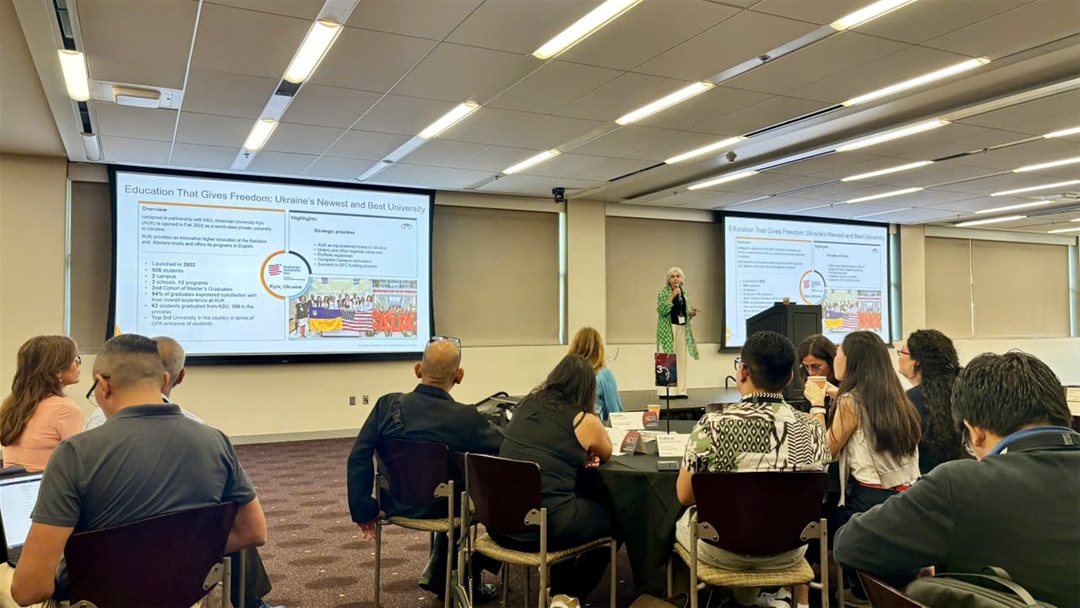
Sharing and connecting leadership networks across member universities
Global insights gained by the LHU delegation at ACE 2026
LHU's delegation included Vice Rector Huynh Cao Tuan; Nguyen Trong Vinh, Head of the Office of Academic Affairs; Nguyen Trong Anh; and lecturers Tran Thi Huong and Vo Le Anh Thu from the Faculty of Science and Food Technology and the Faculty of Pharmacy. The delegation brought together university leadership, academic management, and subject specialists, allowing LHU to explore collaboration at different levels.
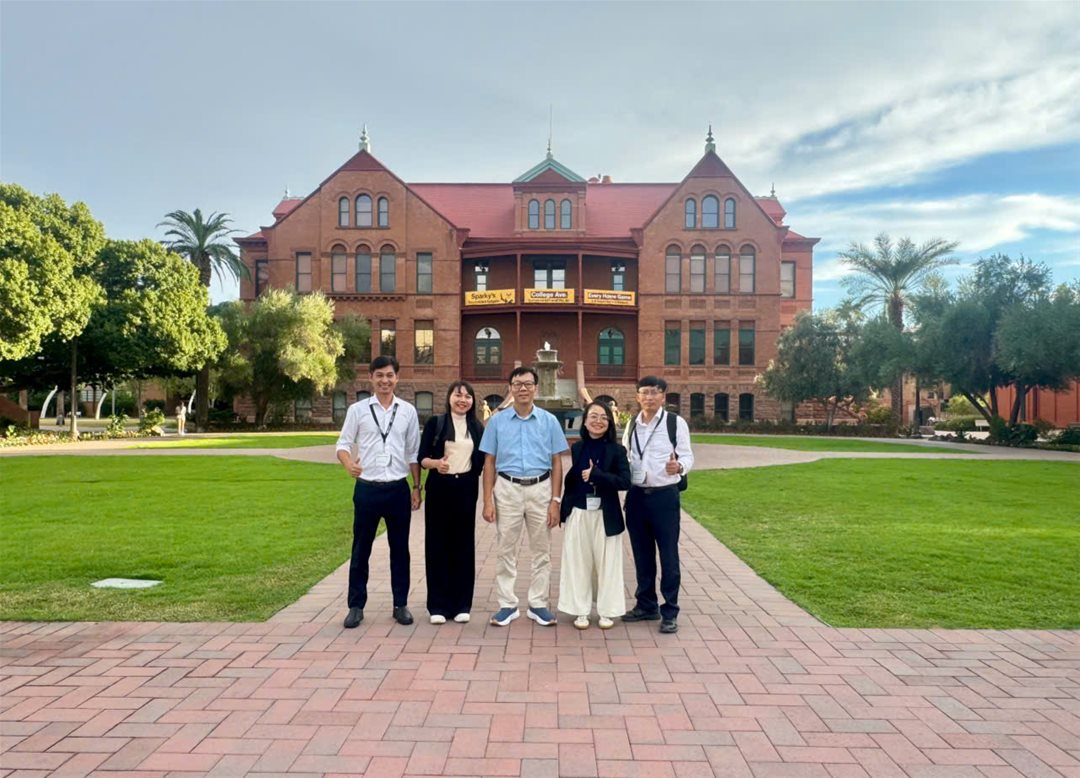
LHU's delegation during its visit and working sessions at ACE 2026
At ASU's Tempe campus, the delegation visited engineering laboratories, the Biodesign Institute, and the School of Earth and Space Exploration. One important lesson was how ASU organizes research around real-world challenges rather than limiting it to individual faculties or disciplines. This approach could help LHU build on its strengths in pharmacy, engineering, chemistry, and environmental science, while linking research more closely to the needs of businesses and the local community.
During the working visit, the delegation experienced Dreamscape, a virtual reality learning platform developed by ASU, and attended thematic sessions on the future of online degrees, quality assurance, instructional design in the age of widespread AI adoption, portfolio strategy, and the viability of online programs. Sessions on AI-powered early warning systems to identify students at risk of dropping out, agentic AI in admissions and student advising, and support strategies for first-year students demonstrated how ASU uses data to monitor each student's learning journey. These insights provide a foundation for LHU to accelerate digital transformation in teaching and expand flexible learning options.
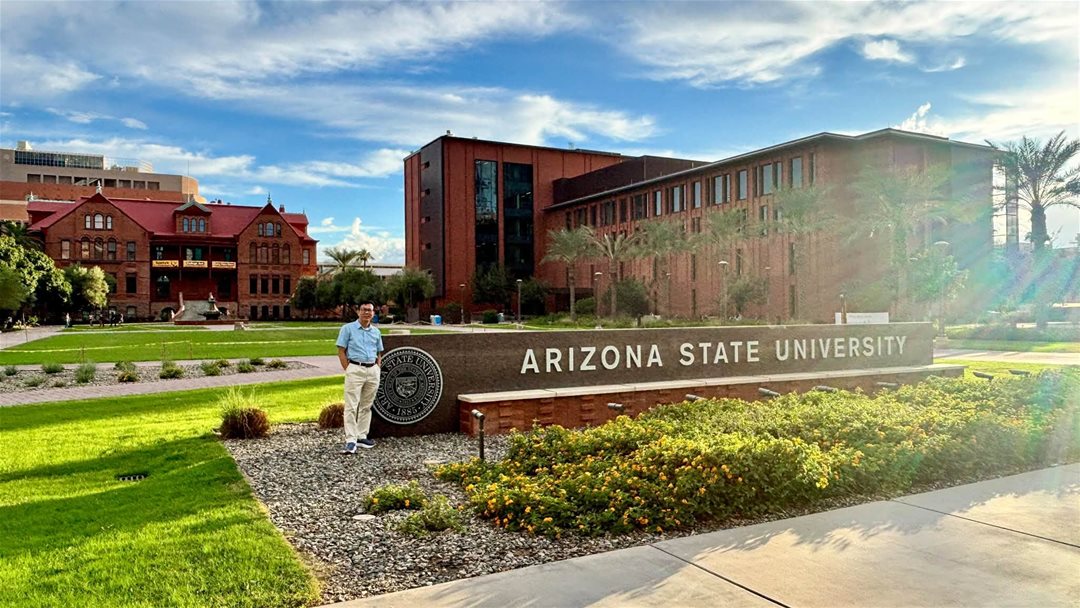
Member universities also met with representatives from ASU's W. P. Carey School of Business, Ira A. Fulton Schools of Engineering, and College of Health Solutions. Discussions covered faculty collaboration, visiting scholars, and educational research through the EdPlus initiative, as well as resources such as ASU's English language programs and International College model. These connections offer direct opportunities for LHU lecturers and students to engage with international academic networks.
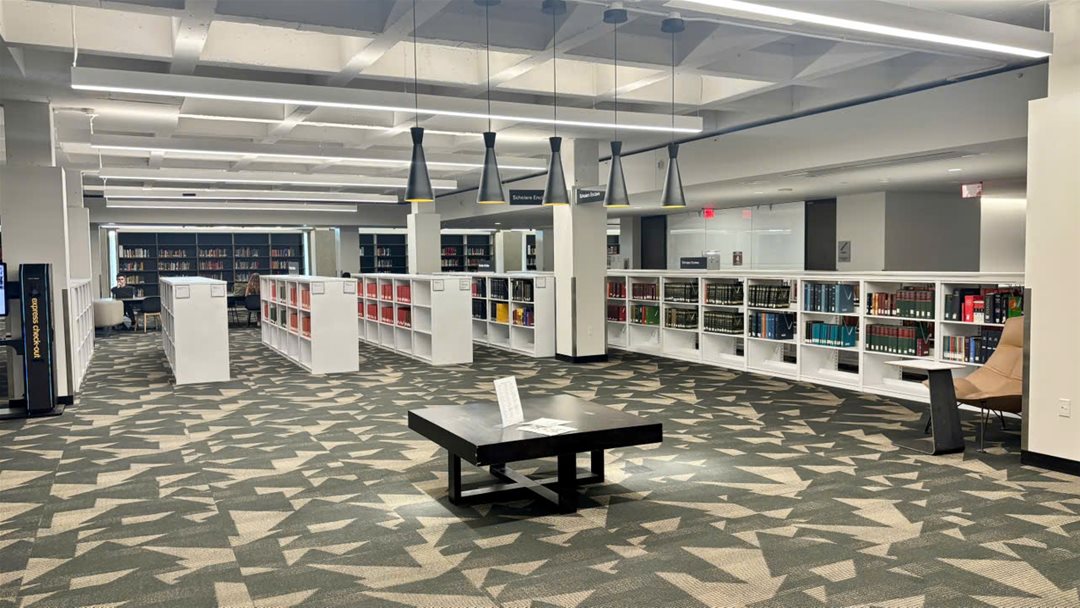

The program concluded with a plenary session on the role of the ASU-Cintana Alliance in building world-class universities, followed by a gathering with ASU leaders and faculty on October 22 evening.
Dong Nai is entering a new phase of development, with major investments in transport infrastructure, industry, and logistics driving demand for graduates with strong professional knowledge, good foreign language skills, and the ability to adapt quickly to new technologies.
Making effective use of its partnership with the ASU-Cintana Alliance will help LHU respond to these needs and gradually strengthen its position as an advanced university serving the local community as it approaches its 30th anniversary.
LHU # ASU # Cintana Alliance # ACE 2026 # university governance
